
How to advocate for yourself in a hospital
May 06, 2026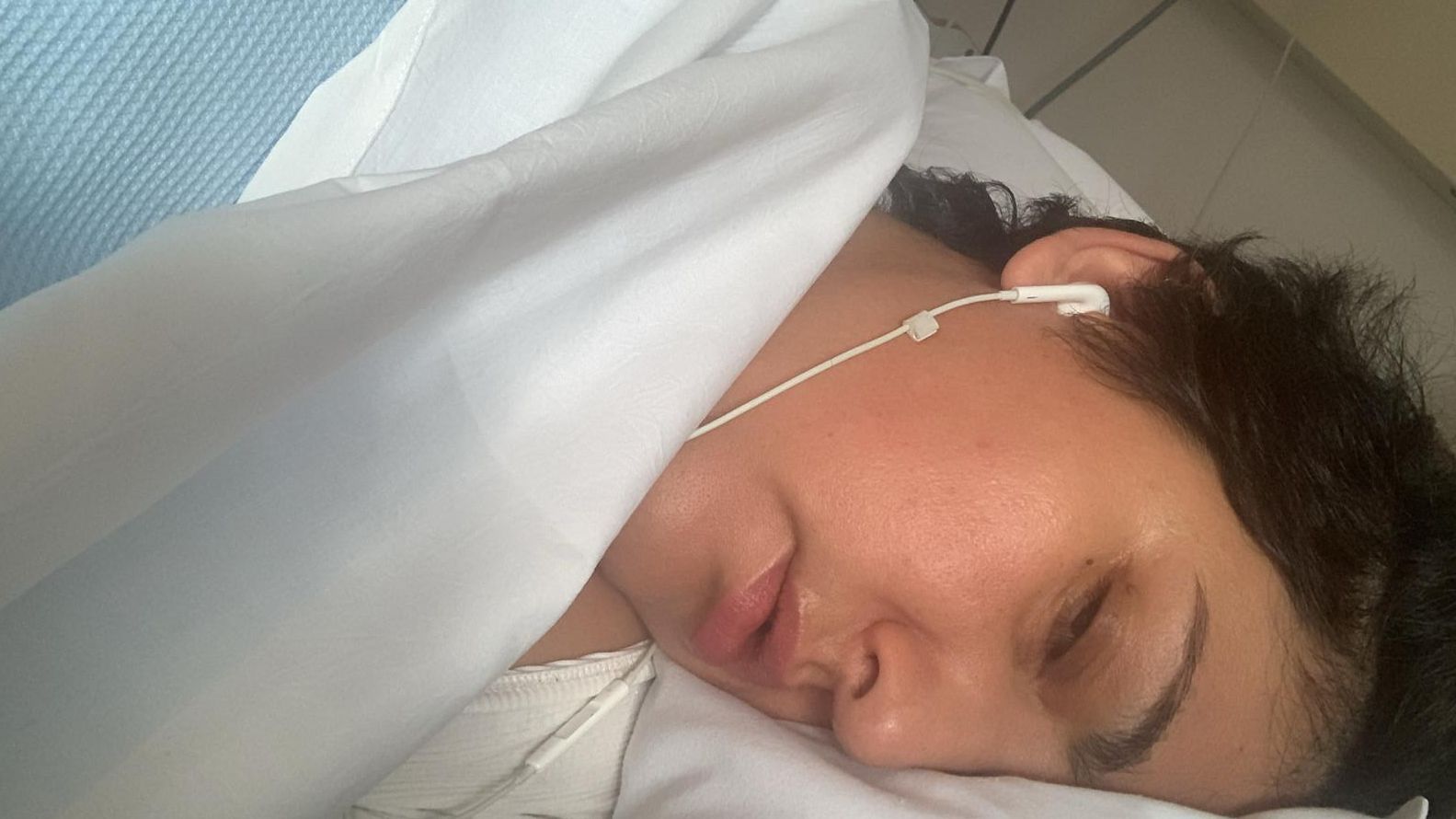
As a doula I was a professional advocate for a decade. That was very different in that I knew a lot about birthing practices and related hospital protocols. I had time to get to know families and they could usually think about what they wanted whilst NOT in crisis. I knew what was possible, what the more progressive approaches might be, where you get to push and where you can’t.
I had no time to prepare, I had no medical expertise in the area required: I was the patient and it was an emergency situation.
The skills I had from my doula life were transferable but we also faced a STEEP learning curve! Most of this was figured out by my partner Alice Irving because she is excellent at hacking systems I was in no fit state.
The privilege of advocacy
Firstly, I just want to say that most of advocacy is pure privilege and I was really aware that it was mainly this that got me the operation I needed. You get prioritised according to both necessity and how much of a pain in the bottom you make yourself. I got this spinal surgery because:
- I am well-educated enough to know where to find the resources / info I needed to argue my case
- I have a network that includes a good friend who was a doctor and happened to have had the same issue several years ago, as well as a retired surgeon who is now a legal medical witness. Both of them helped us with invaluable information.
- Even just the fact I had someone who COULD advocate for me (because I was in such pain and so drug addled that I couldn’t think clearly for myself). My privately-educated girlfriend speaks proper and is both intellectually intimidating and emotionally intelligent. She’s at a point in her career where she could move her work around to accommodate being with me for doctors rounds or important conversations.
- I have done years of personal development and therapy so that I not only have a clear knowing of what is the right course of action for me, I can stay connected with that without slipping into self-doubt or minimising my own need. Due to this we were both able to stand our ground without going into fawning in the face of authority.
That said if any of this can help someone else I wanted to share it while it’s fresh.
How best to advocate for yourself in hospital
- Keep notes on every conversation/interaction (I’m not even sure we looked once at our notes in the end but it made us look officious and like we meant business). IF, down the line, you decide to make a complaint, these will be invaluable.
- The NHS is like the military - always push to speak to the highest ranking person as they have the most decision-making authority. Don’t waste your time explaining everything to the nurse. They might well be the most human and understanding but have literally no power to make anything happen. My partner cleverly made an ally of a Senior Sister who was passionate about her role and took my case on personally, making sure that each step was pushed through.
- This isn’t a moment to be English and polite or be a good girl: channel your battle-axe granny or, if you are too out-of-it, make sure you take someone who can do that effectively, or even a rota of people. Worse case dial someone in on speaker when doctors do their rounds and come to speak to you (though having someone there in-person is more effective). Don’t minimise your pain/symptoms, if anything describe them at their worst, if your tendency is to just push on, this will feel like you’re emphasising your description. Remember women and brown people are statistically more likely to have their pain underestimated by health professionals in the UK. They wrote 5/10 in my notes when I had literally said 8-9/10.
- In A&E asking whether the doctor you are speaking to specialises in the area you need can be helpful, as it can make them take measures to cover their backs if they are unsure about any detail of your situation. Ask if they have the specialist knowledge to rule out X.
- You always have a right to a second opinion. This is called Martha’s rule after a 13-year-old called Martha Mills died a few years ago utterly unnecessarily of sepsis. Doctors ignored parents’ pleas while she gradually deteriorated in hospital following a pancreatic injury after falling off her bike.
- Emphasise any progression in symptoms as this escalates your case. If you are quite instinctive (like me and I obviously learnt this the hard way) you’re going to have to translate that into rational bullet points. The medical system doesn’t speak your language so you have to speak theirs. You can’t just say "I know something’s wrong and I need surgical intervention". Describe your situation precisely eg:
- I haven’t been able to do XY or Z since blah
- My pain levels are 8/10 despite the pain team admitting that we are at the ceiling of what can be achieved pharmaceutically
- I am unable to work/sleep/take care of myself independently
- Since I’ve been admitted I’ve developed this, then this symptom
- My concern is X if Y isn’t done etc
- When presented with a no to any of your requests here are some good questions to ask:
- “Why is this being offered/denied?” (You don’t just have to accept what is suggested. If you can give valid reasons why a proposed solution wouldn’t be adequate you may be offered a different option.)
- "Are you willing to say you can absolutely rule out X based on Y?" (I noticed doctors were pretty reluctant to put their name to this.)
- "What would have to be different for you to go ahead with X?"
- "Who has the authority to make the decision to give me X?"
- "Are you willing to document that I made X request and it was denied?"
- Be strategic in whatever way you can. For example I definitely had more leverage because I had been in one of their beds for so long. If I had accepted their suggestion of a steroid injection, I would have had far less bargaining power weeks or months down the line as an outpatient.
- If you’re emotional, process that before important conversations (I didn’t do this enough despite being a pro at this and having measures in place because it was SO big and I had SO many feelings about it all). You need to be calm, sane and reasonable. Friendly, polite and charming even. Also none of your emotional reasons are relevant to them ("I need to get to my son’s 18th birthday" or "I just can’t handle any more illness after being ill for so long"). Tell a friend / therapist about all of that so you can be your most rational / relational self.
- Avoid going to A&E Friday-Sunday if you can possibly help it. I was actually in a worse state on the Thursday but felt I couldn’t face it and would have needed ambulance. If I’d gone that day it’s possible they may even have operated straight away rather than admitting me for 4 weeks. However hospitals run with a skeleton staff over the weekend so they are only focused on keeping people alive. If you need a specialist it’ll be the on call one and they’ll be overstretched. If you get admitted on a Friday you won’t get to see the full medical team until Monday. This can backfire if there’s anything missing from your admission and you’re left waiting over the weekend with only nursing staff who have no power to change anything about your care plan. Yes, they can page on-call doctors but in my experience rarely get a response unless it’s critical.
- Use the Patient Advice & Liaison Service. They follow up all complaints (you can threaten that if a certain outcome doesn’t happen by a certain time you’ll have to log a complaint). I didn’t have to use it but I was given this recommendation for advocacy: pohwer.net/nhs-complaints-advocacy
The Art of Talking To Doctors
- “What are you most Concerned about?”
- “What is the risk of waiting vs acting now?”
-
“What happens today?”
- “What is the next step?”
- “When will that happen?”
- “Who is responsible for it?”
Mainly what really gets doctors to take you seriously is when you co-operate with their process. This might involve jumping through hoops that you deem unnecessary just so they can rule things out and show they have followed protocol.
I hope you won't need to make use of this but should you end up needing to push for the right medical care I hope my experience and everything Alice carefully gleaned might help others.
If you want to find out what landed me in hospital for 4 week or feel inspired to support me to get back on my feet, please visit my Crowdfunder. No donation is too small!
Get my game-changing
Parenting Tips!
If you'd like to get to know the approach,
sign up for parenting hacks and tricks
We hate SPAM. We will never sell your information, for any reason.
